















Newborn (Streaming on VOD)
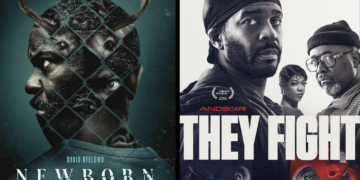
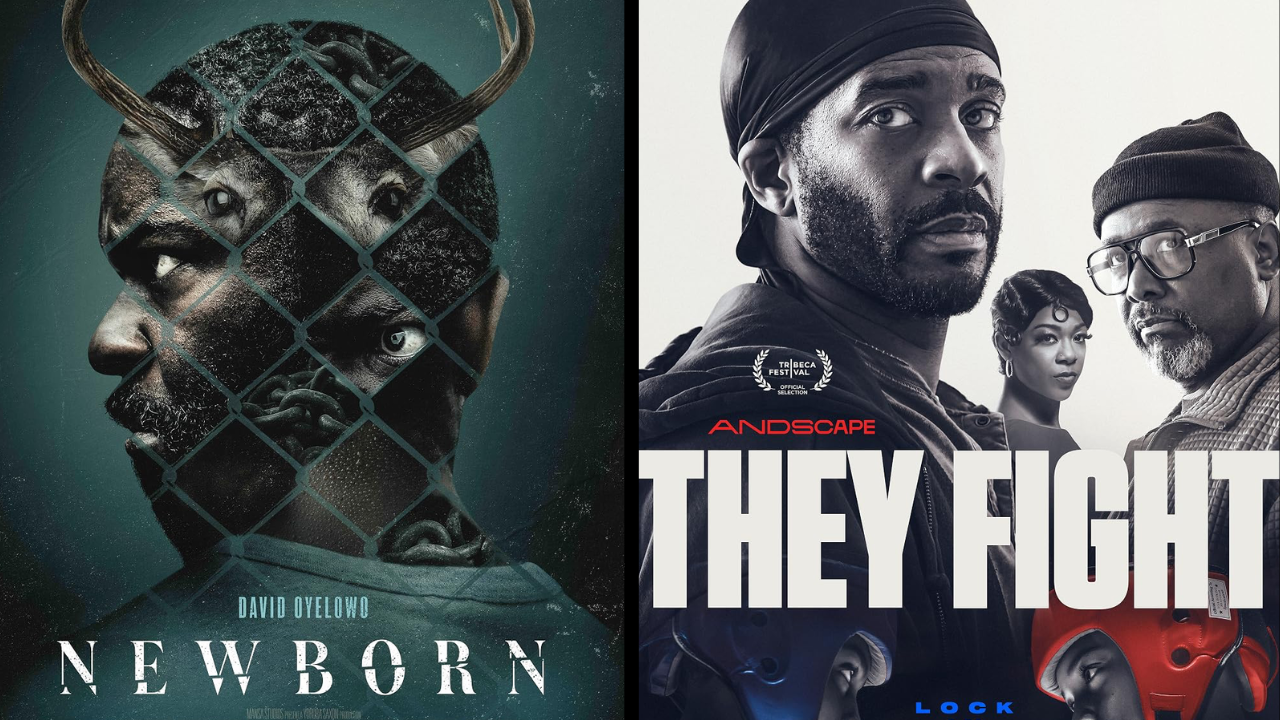
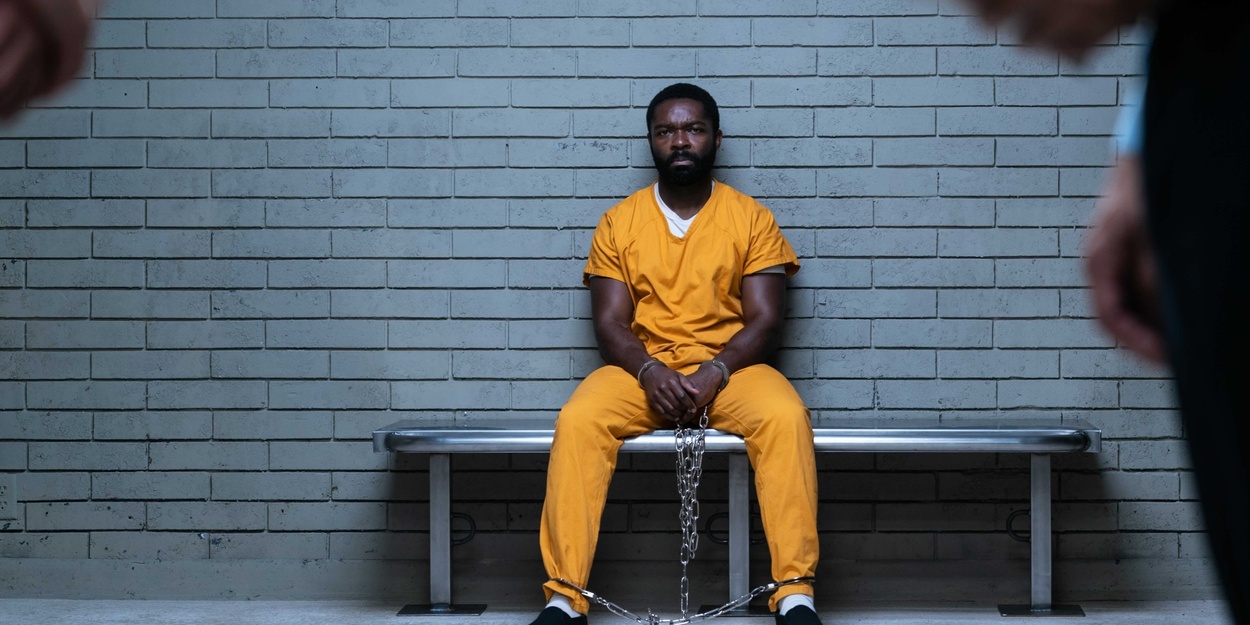
Chris Newborn (David Oyelowo) sacrifices his own freedom by taking the blame for a crime committed by his troubled younger brother, Keith, resulting in an unjust conviction. After enduring seven grueling years in solitary confinement, Chris is finally released, only to discover that surviving prison was merely the beginning of his fight. Reentering society proves just as unforgiving as the system that failed him.
Seeking a fresh start, Chris retreats to a secluded property alongside a mysterious groundskeeper, Hersh (Barry Pepper). Haunted by the psychological scars of incarceration, he begins experiencing crippling paranoia, vivid hallucinations, and an overwhelming fear that unseen forces are coming to take his young son away. As reality gradually fractures, the film blurs the line between psychological trauma and supernatural horror, keeping both Chris and the audience questioning what is real. Having missed the formative years of his son’s life, Chris desperately tries to rebuild their relationship while wrestling with his own deteriorating mental state.
Beneath its psychological tension lies an equally affecting story about fatherhood. The parallel between Chris and his silent son is one of the film’s most poignant ideas; both are navigating a world shaped by trauma, each struggling to communicate emotions neither fully understands. Anchored by Oyelowo’s quietly devastating performance, Newborn transcends the conventions of a prison drama. It becomes a meditation on identity, generational trauma, and the elusive pursuit of redemption, asking whether true rehabilitation is possible in a society that continues to punish people long after their sentences have ended.
Rather than simply condemning the failures of the American prison system, Newborn examines the profound psychological toll incarceration leaves on Black men long after their release. Trapped in a perpetual state of fight-or-flight, Chris struggles to distinguish genuine danger from the trauma that now dictates his every thought. As he hauntingly remarks, “Nothing out here is more dangerous than you and me,” it is a devastating line that encapsulates the film’s central thesis: society is often quicker to fear Black men than to recognize their humanity.

They Fight (Streaming on Hulu)
Based on the acclaimed documentary They Fight, the film tells the inspiring true story of legendary boxing coach Walt Manigan, whose Congress Park Recreation Center served as a refuge for young men searching for discipline, purpose, and a second chance. After spending years rescuing others from lives of violence, addiction, and incarceration, Walt ultimately finds himself consumed by the very struggles he dedicated his life to helping others escape. The film becomes a poignant reminder that even those who devote their lives to saving others, sometimes sink themselves.
In the midst of loss, he suffers the most devastating tragedy when his own son, Lil Walt, is murdered on his eighteenth birthday. It is a cruel irony that gives the film its emotional weight, illustrating that even those who devote their lives to saving others cannot always protect the ones they love most. When Walt is released from prison after serving three and a half years of a five-year sentence, he arrives at his doorstep carrying little more than a plastic bag of clothes and a durag—a symbol of the physical and emotional baggage he carries with him. His quiet declaration, “I’m damaged, but useful,” reflects the weight of his trauma, regret, and the daunting challenge of rebuilding his life.
Instead of presenting boxing as the ultimate goal, They Fight uses the sport as a vehicle for healing. The ring becomes a space where grief, generational trauma, incarceration, and fractured relationships are confronted head-on. Carried by a powerful performance from Andre Holland, a heartfelt supporting cast, an emotionally grounded script, sharp and intimate cinematography, and a beautiful, soothing score by Gary Gunn (whom audiences may recognize from his work on Netflix’s Forever). The film delivers a moving portrait of resilience, reminding audiences that the hardest battles are often fought long after the gloves come off.