

















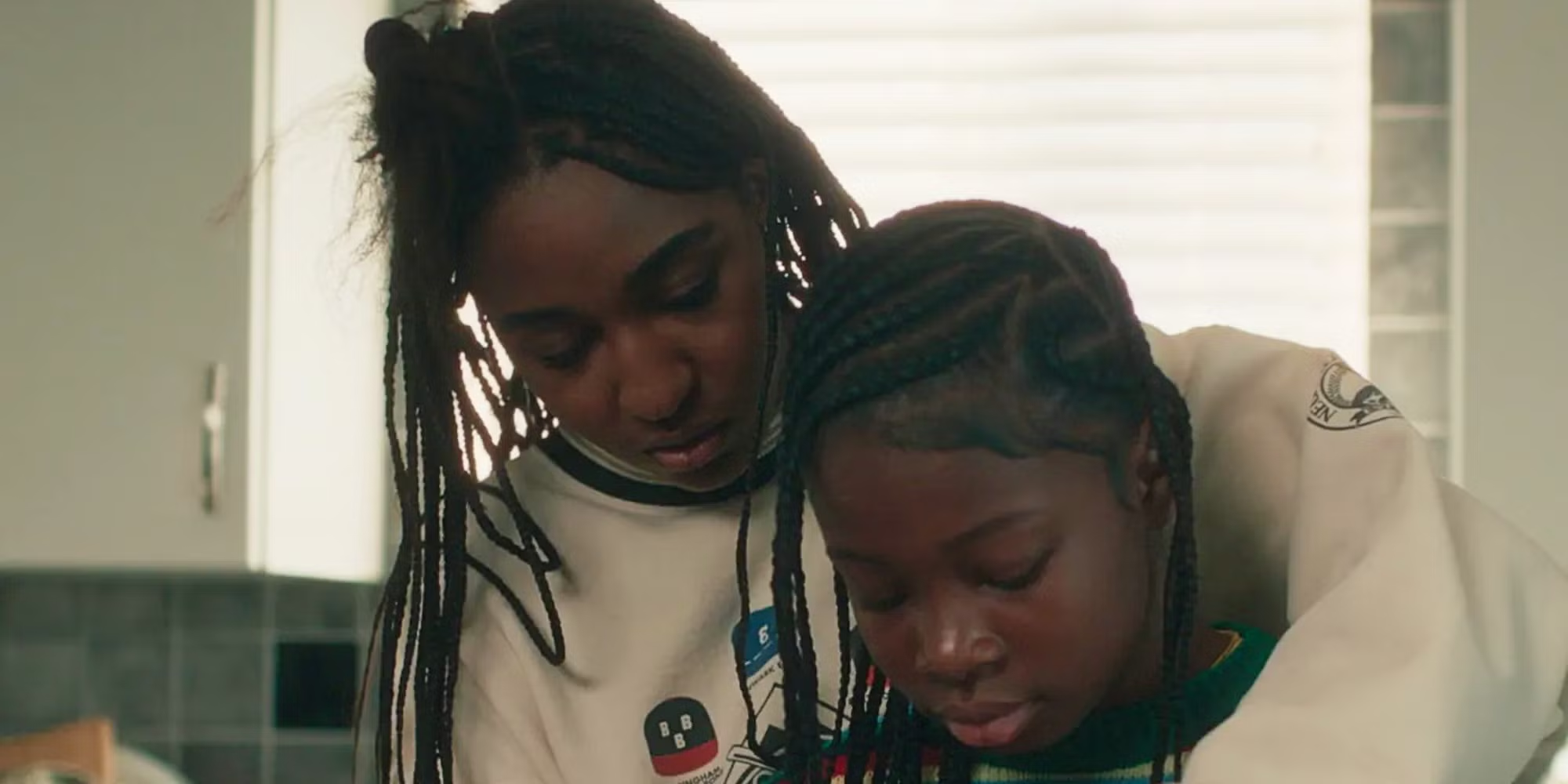
The Bear returns for its fourth season with the same chaotic brilliance that made it a phenomenon and in “Worms,” arguably one of its most thematically layered episodes to date, the spotlight is placed squarely on Sydney Adamu. This time, she isn’t just navigating a kitchen, she’s navigating legacy, identity, and professional choice.
Co-written by Ayo Edebiri and Lionel Boyce (who plays Marcus, though he doesn’t appear in the episode) and directed by Janicza Bravo, “Worms” is a masterclass in cultural specificity, internal conflict, and quiet power. It’s an episode steeped in Blackness, care, and coded communication, and it may be one of the series’ most emotionally resonant chapters yet.
The episode opens with Syd watching Whoopi Goldberg in Jumpin’ Jack Flash as she unravels her braids; an act of ritual, transition, and tenderness. The moment is interrupted by a phone call from Adam Shapiro, a former Ever chef now courting Syd for a lucrative opportunity at his new restaurant. When she informs him she has a hair appointment, her tone is polite but unmistakably firm. To many, it might sound like a scheduling conflict. To Black women, it’s gospel. A hair appointment is more than a slot on a calendar, it’s sacred time. It’s restoration. It’s care.

Shapiro, however, persists. “Can you come an hour or two later?” “How long does it take?” “Is it a special treatment?” The casual interrogation of her routine quickly becomes grating, even if unintentionally so. Eventually, Syd relents and adjusts her schedule. It’s a quiet but familiar exchange for many Black professionals: the subtle negotiation between asserting your boundaries and preserving your opportunities.
She arrives in a colorful beanie, stylish, yes, but mostly functional, a cover for her freshly unbraided hair. Shapiro greets her to the sound of rap music blaring from the speakers. “Do you know this guy? It’s East Coast shit—a classic,” he offers proudly, in a moment that reads more self-congratulatory than collaborative. For him, it’s an attempt at connection; for her, and for us, it’s the first in a series of cultural missteps. When he invites her to choose her own music, she selects Beethoven’s Für Elise. He confuses it for Mozart. The irony? He was quick to offer unsolicited education on her culture, only to falter when faced with his own.

During the tour of the still-unfinished restaurant, Shapiro pitches the dream: a blank canvas, creative freedom, and, as he puts it, “Afro-Caribbean influences” on the menu. Syd’s discomfort is subtle but unmistakable. The gesture isn’t a collaboration, it’s tokenism. Then comes another tone-deaf admission: “I hired a woman, and everyone else in the kitchen looks like me.” That is, white and male. To him, it’s progress. To Syd, it’s a red flag.
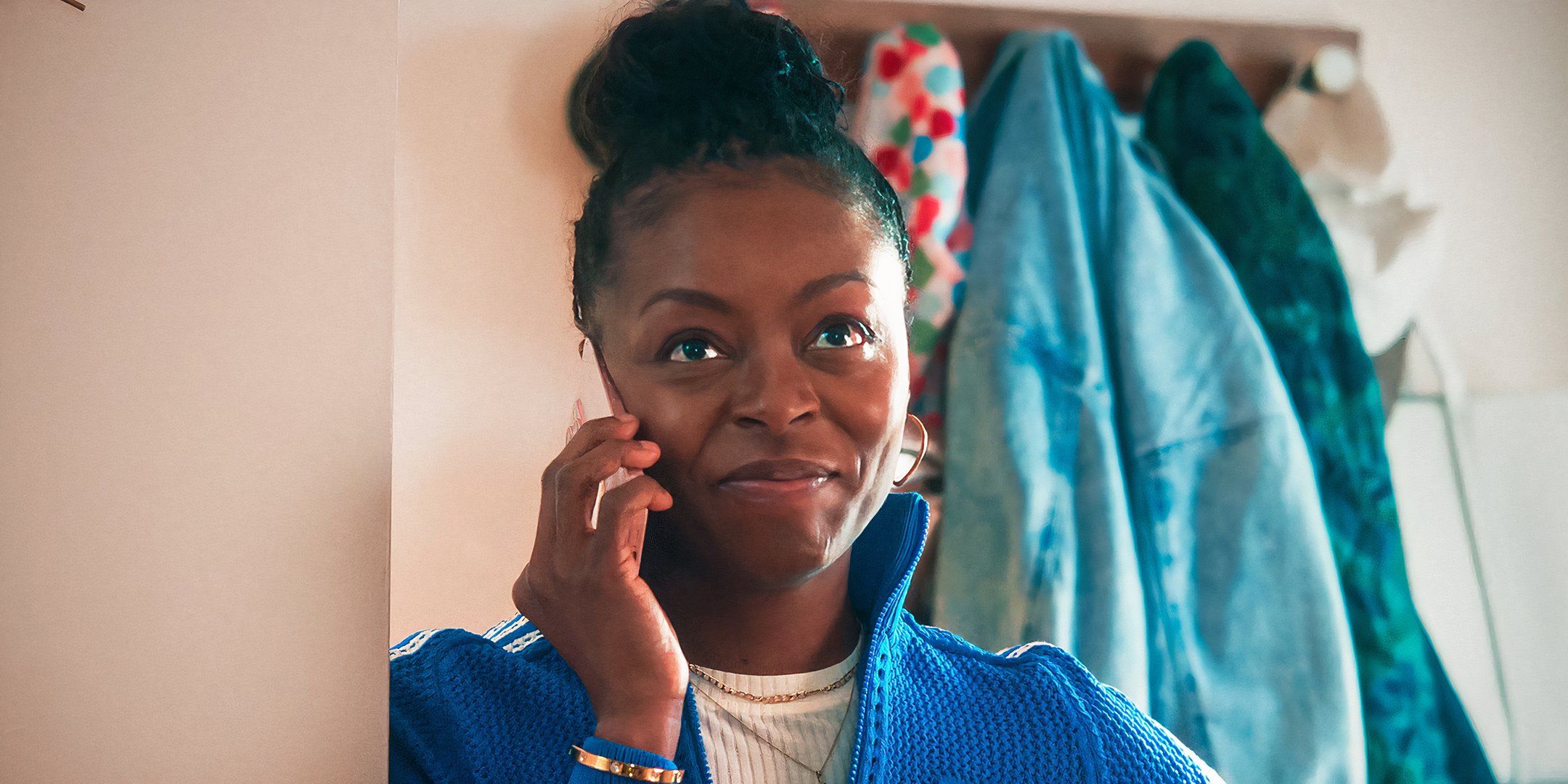
The episode then pivots into one of its most heartfelt and culturally specific spaces: a Black household, warm and lived-in, where Syd sits getting her hair braided by her cousin Chantel (played in a short but pitch-perfect appearance by Danielle Deadwyler). These scenes are a balm—gentle, familiar, textured with care. Chantel gossips, code-switches when a client calls, and casually affirms Syd without grand speeches. Her daughter, TJ (Arion King), drifts in and out of the scene like any precocious 11-year-old, adding sharpness and humor. It’s all beautifully unforced.
When Chantel realizes she’s run out of braiding hair, a quintessential beauty supply run moment, she leaves Syd alone with TJ, setting the stage for the episode’s most profound metaphor. Over a nostalgic pot of Hamburger Helper, the two discuss the concept of a “good house” versus a “bad house,” which becomes a stand-in for Syd’s internal dilemma: The Bear, messy and volatile but full of soul, versus Shapiro’s promise of structure, money, and prestige.
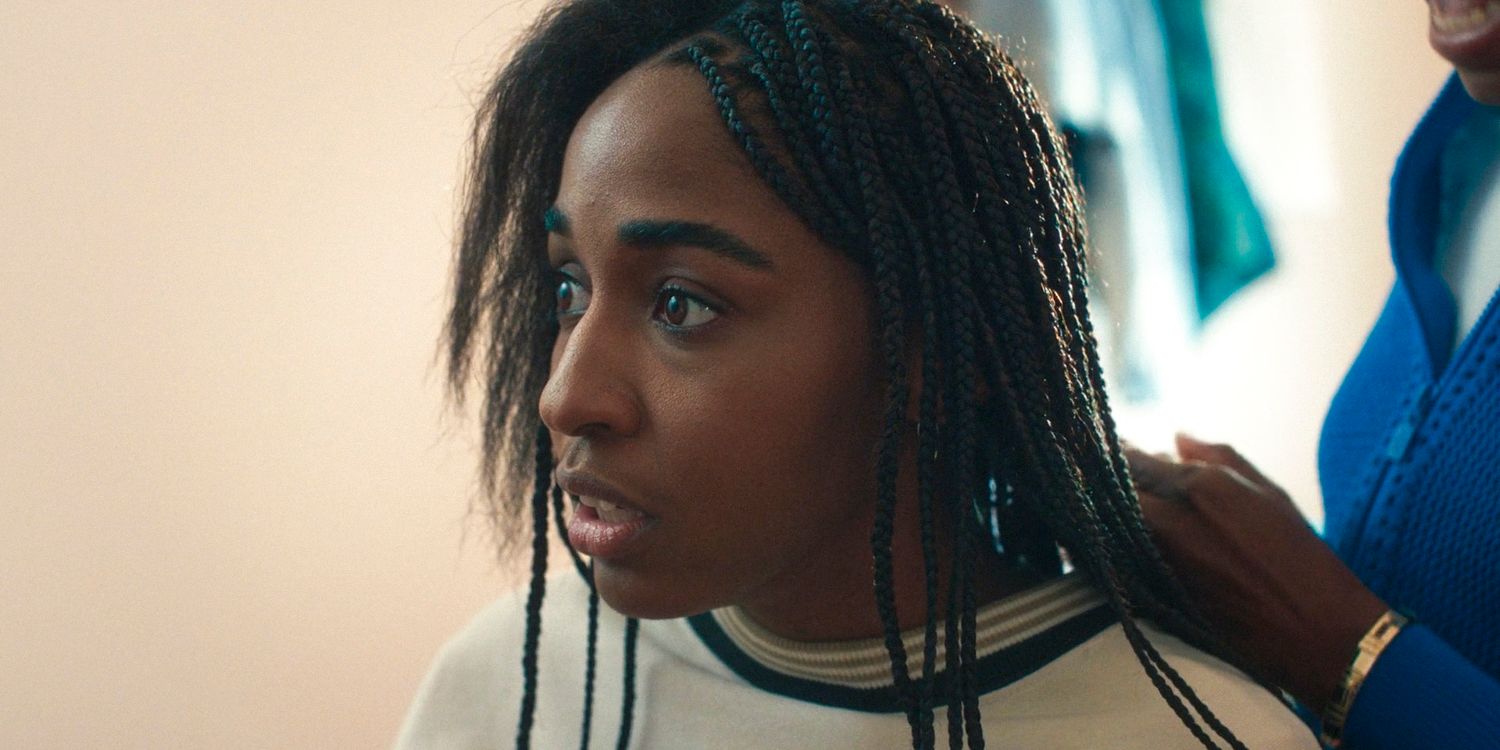
“A house is just a home,” TJ says, with surprising wisdom. “I think you should work wherever you want—even if it’s scary. You’re a good cook.” It’s a line that lands with both emotional clarity and thematic weight. Syd speaks about The Bear with reverence: “When things are good, it’s kinda like the best feeling in the world.” But she also knows, perhaps for the first time, that there are other kitchens, other paths, other forms of joy.
By the end of the episode, we’ve witnessed something rare in contemporary television: a young Black woman at the center of her own narrative, navigating ambition, exhaustion, cultural isolation, and community, all without spectacle or stereotype. “Worms” resists the urge to sensationalize. Instead, it observes. It listens. It honors.
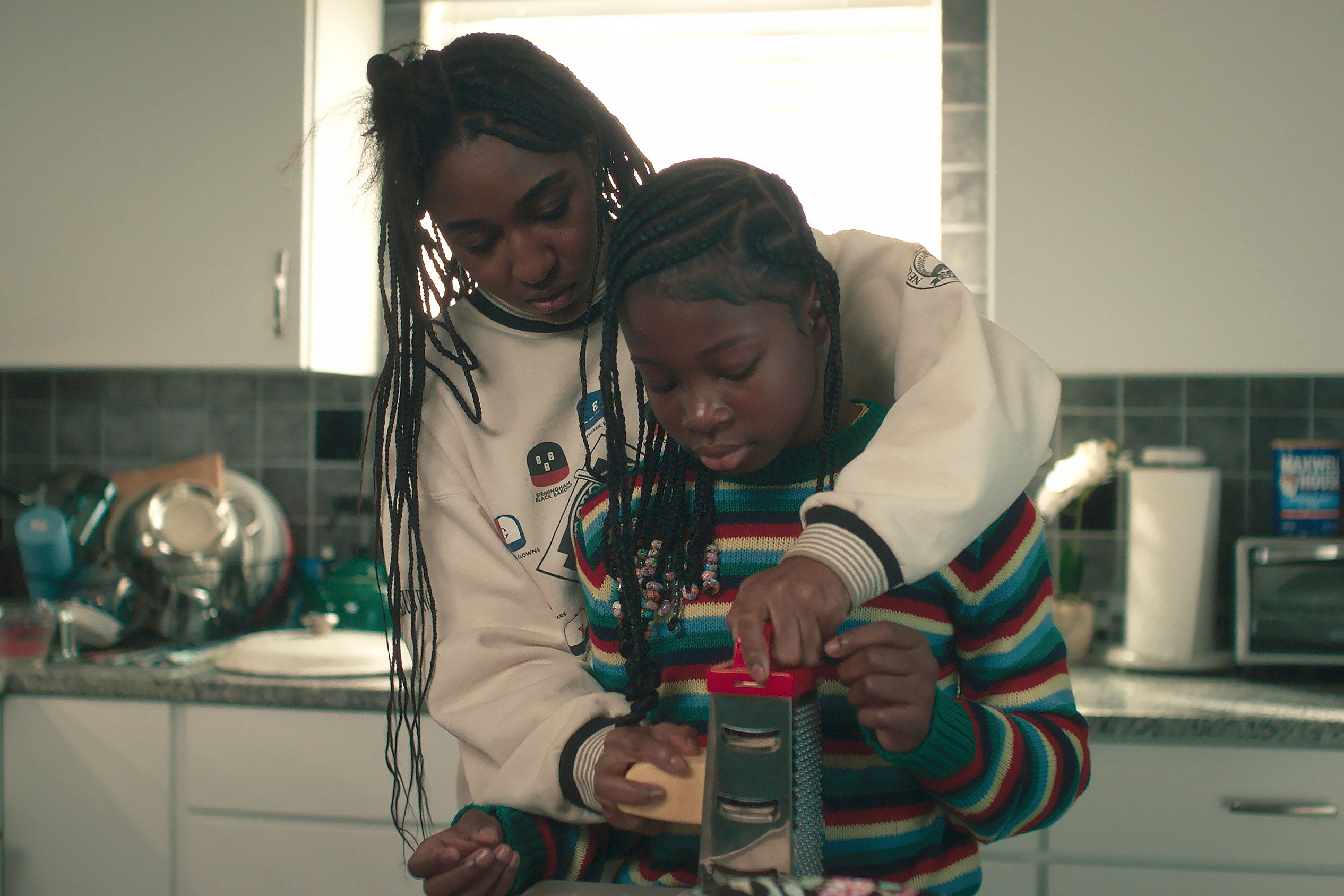
And, in classic Bear fashion, it doesn’t let us off the hook easily. Shapiro follows up with a well-intentioned but tone-deaf phone call: “Hey Syd, how was the hair appointment? Have you seen Good Hair? I just streamed it.” Of course you did.
“Worms” is a beautifully observed episode about the moments that define us, the choices we make when no one’s watching, the rituals that keep us grounded, and the people who remind us who we are. It’s not just one of the best episodes of the season; it’s one of the most culturally grounded pieces of television in recent memory.
Here’s to hoping Edebiri and Boyce continue to write their truth—and that Season 5 brings more moments like this to the table.