

















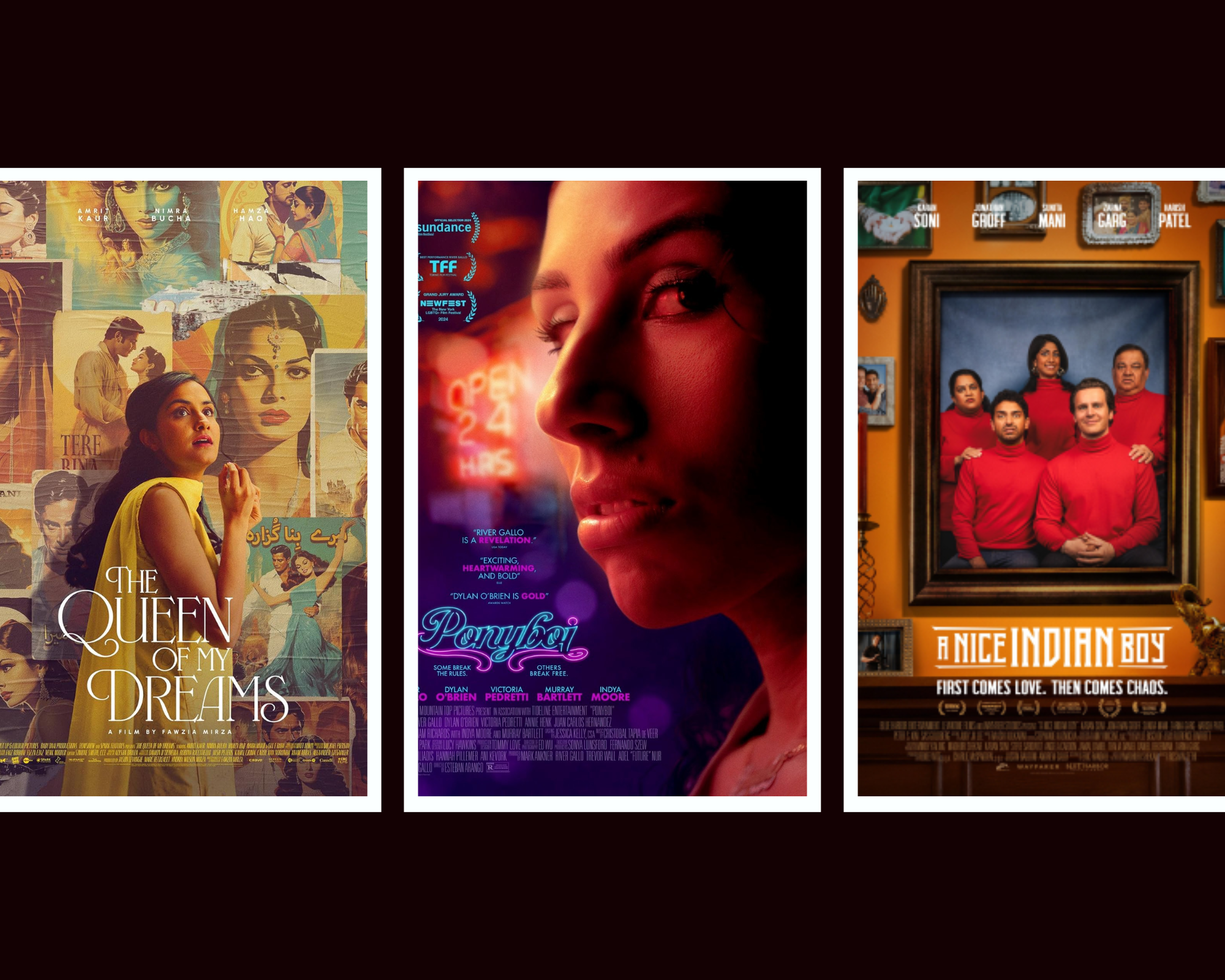
The Queen of My Dreams | Directed by Fawzia Mirza
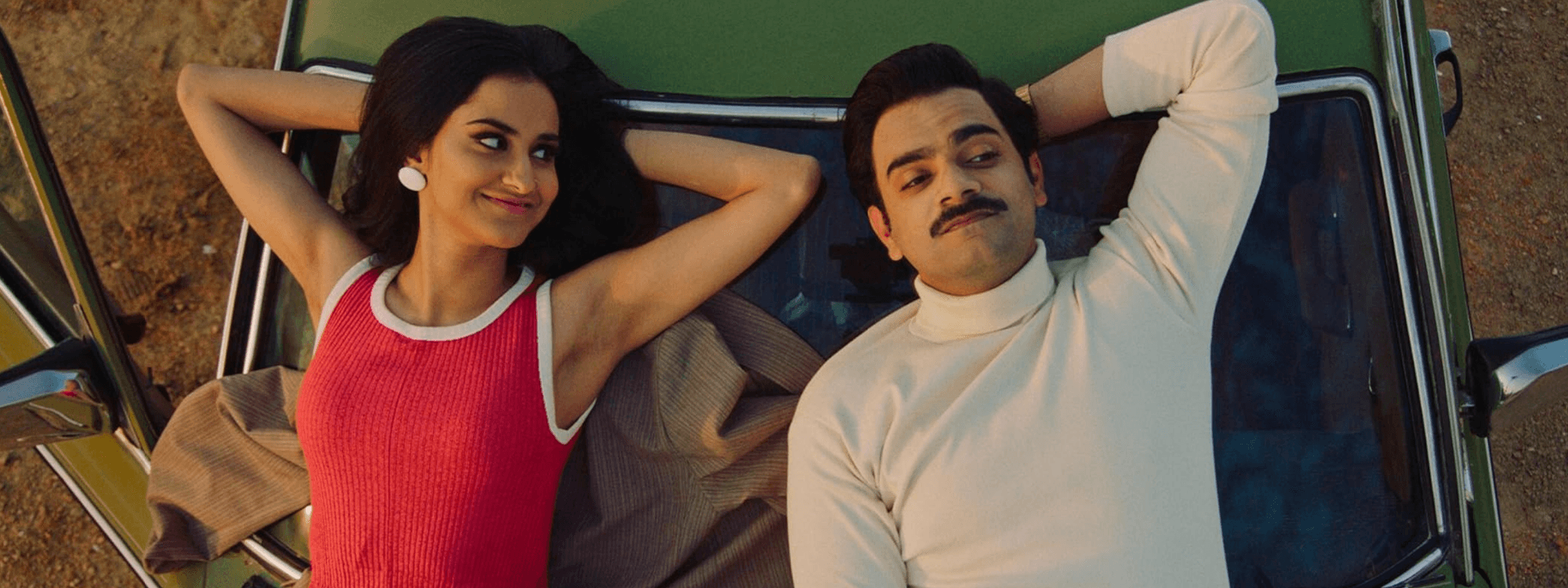
In this vibrant cross-generational dramedy, writer-director Fawzia Mirza brings us a story that flutters between Karachi and Toronto, past and present, dream and duty. The Queen of My Dreams follows Azra (Amrit Kaur), a queer Pakistani Canadian MFA student and actor who finds herself drifting further from her devout mother, Mariam (Nimra Bucha)—a woman who once dreamed of the stage herself, until tradition dimmed that flame. After a family tragedy, the two return to Pakistan, where grief unravels the past and forces both women to face the lives they could have had and the ones they still can.
What unfolds is not just a mother-daughter reconciliation, but a tender meditation on duality: East and West, tradition and rebellion, obedience and desire. Mirza’s Bollywood-infused storytelling feels both grand and intimate, like flipping through an old photo album that sings. Rich production design elevates the film’s aesthetic—every sari, dish, and dusty road swells with warmth. And though its tone occasionally leans theatrical, The Queen of My Dreams is a love letter to the women who live between lines and rewrite them with grace.
Ponyboi | Directed by Esteban Arango

Then there’s Ponyboi, a Valentine’s Day fever dream of a film that defies genre and expectation. River Gallo (who also stars) plays the titular character, an intersex Puerto Rican runaway working at a laundromat in Jersey by day and sex work by night, surviving under the boot of a small-time drug dealer. But when a stranger in a muscle car shows up, dripping with mystery and a glint of kindness, Ponyboi sees a chance to escape—if only for a night.
This is a gritty fairytale coated in neon. Arango’s direction is intimate and raw, and Gallo’s performance is steeped in quiet longing. What makes Ponyboi stand apart isn’t just the inclusion of an intersex lead played by an intersex actor; it’s the way the film refuses to sanitize queerness. It’s messy, dreamy, and dangerous. The film hums with a kind of tragic magic, like Moonlight by way of Drive, where queerness is neither spectacle nor side note—it’s survival, identity, and desire rolled into one.
A Nice Indian Boy | Directed by Roshan Sethi

Lastly, A Nice Indian Boy, adapted from Madhuri Shekar’s beloved play, offers something gentler but no less important: the awkward, adorable romance that builds between Naveen (Karan Soni), a gay Indian-American photographer, and Jay (Jonathan Groff), a charming white man who, surprise was adopted by Indian parents and raised in Hindu tradition.
This is a meet-cute with cultural friction, told with sincerity and bite. Soni brings the same deadpan charisma we know him for, and Groff’s Jay is warm and nuanced, even as he stumbles through navigating culture, language, and family dynamics. The film doesn’t try to solve the complexities of race, tradition, and queerness, but it does give them space to breathe. At times, it plays a little safe, but the familial chemistry, especially between Naveen and his parents, keeps it grounded. There’s something delightful about watching a queer couple fumble through rituals and expectations, not to dismantle them, but to find a way in.