















“Mama, I made it—my name is on the marquee with the word Juneteenth on it.”
– Mara Brock Akil
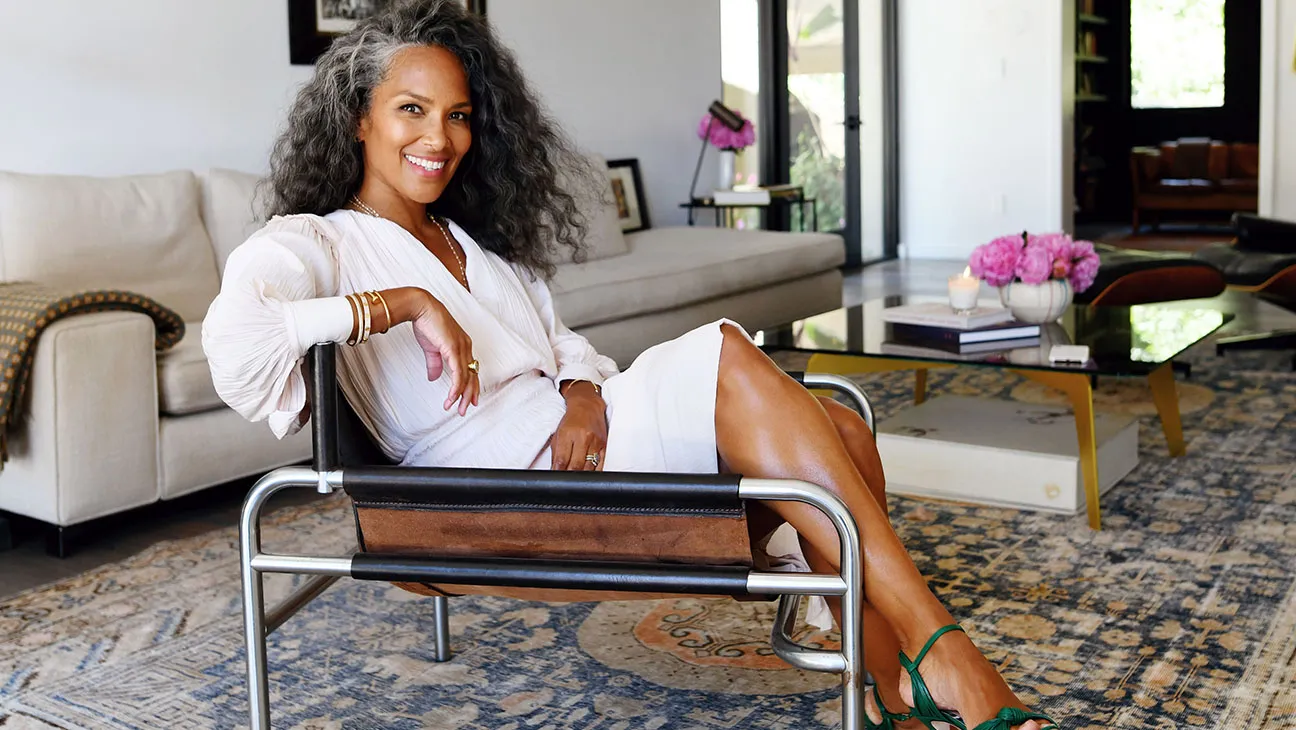
Mara Brock Akil’s name is synonymous with some of the most iconic Black television of the past two decades. From Girlfriends to The Game, Being Mary Jane, and now Netflix’s breakout summer series Forever, Mara has cemented her legacy as a culture-shifting storyteller.
In conversation with Mara, she reflected on her unpredictable journey through Hollywood. Originally studying journalism, she found her calling in the cinema, guessing plot twists and feeling unsatisfied with the lack of authentic Black characters. “I didn’t see the Black people I knew,” she said, identifying a gap she felt responsible to fill through fiction rooted in truth.
Her entry into the industry came humbly, working as a production assistant (PA) on The Sinbad Show in the early ’90s. That first job led to others, but also to stretches of unemployment. What kept her going? “Facing my own future,” she said. The arts, she reminded the audience, are never pursued alone—every assistant, showrunner, and grip plays a part in the process.
She found her early voice as a writer on 90s sitcoms like South Central, Moesha, and The Jamie Foxx Show, where she was often the only woman in the room. She called the 90s a vibrant time, a kind of HBCU for television, when Black storytelling flourished. But even then, she recognized what was missing: “There weren’t even Black extras on Sex and the City.” Her desire to reflect the breadth and depth of Black life only grew stronger.
Mara spoke candidly about “craft writing,” a process she describes as hearing her characters speak to her. “I can hear them. I just write to what I hear,” she said, likening her approach to sculpting sound onto the page. A college acting class taught her how to find voices and character motivation; from there, she built stories that resonated. She stressed the importance of knowing when not to pitch: “Save it for your pilot. Save it for your audience.”
Today, Mara’s impact extends far beyond the writers’ room. Her shows, she said, “build economy.” They are vehicles for launching networks, employing crews, and sustaining dreams. “These productions are companies,” she noted, “and they create jobs while telling our stories.”
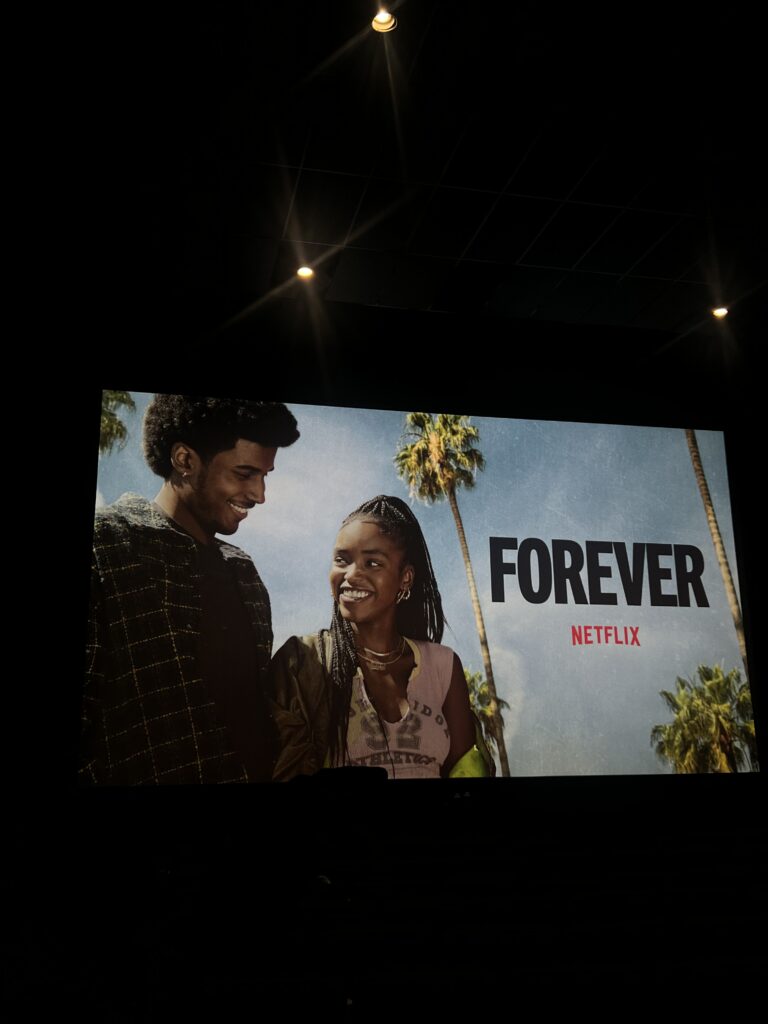
That legacy continues with Forever, her adaptation of Judy Blume’s 1975 novel. When Netflix gave her the green light, Mara seized the opportunity to center Black teens in a timeless coming-of-age story. “If you see yourself in the book, you’re in the book,” she said. Through Forever, she sought to translate emotional intelligence across generations and identities. Set in 2018, before the pandemic and racial reckonings, the show becomes a quiet time capsule. Its soundtrack, settings, and social commentary, deliberately curated, amplify mood and place.
Mara emphasized the importance of making space for emotionality, particularly among young Black boys, who are often denied the grace to be soft. “We hold our breath waiting for something bad to happen—that’s what consuming Black media has conditioned us to do,” she said. In Forever, she’s trying to shift that paradigm.
“Forever is an epic love story between Keisha and Justin within a love letter to Los Angeles.” – Mara Brock Ali
And the story is far from over. Forever will be returning to our screens with a second season.